Architectural Consultancy // Nuclear Sector // Canada
SDR is an architectural consultancy for the nuclear sector. We make nuclear infrastructure legible to the public — and we are retained by the organizations that need the public to understand them.
Engineering firms design the plant. Communications firms manage the message. Nobody designs the interface between a facility and the community that hosts it — and that interface is now a licensing-critical asset. SDR works there, upstream: before sites are fixed, programs are set, and the public has been told what to accept.
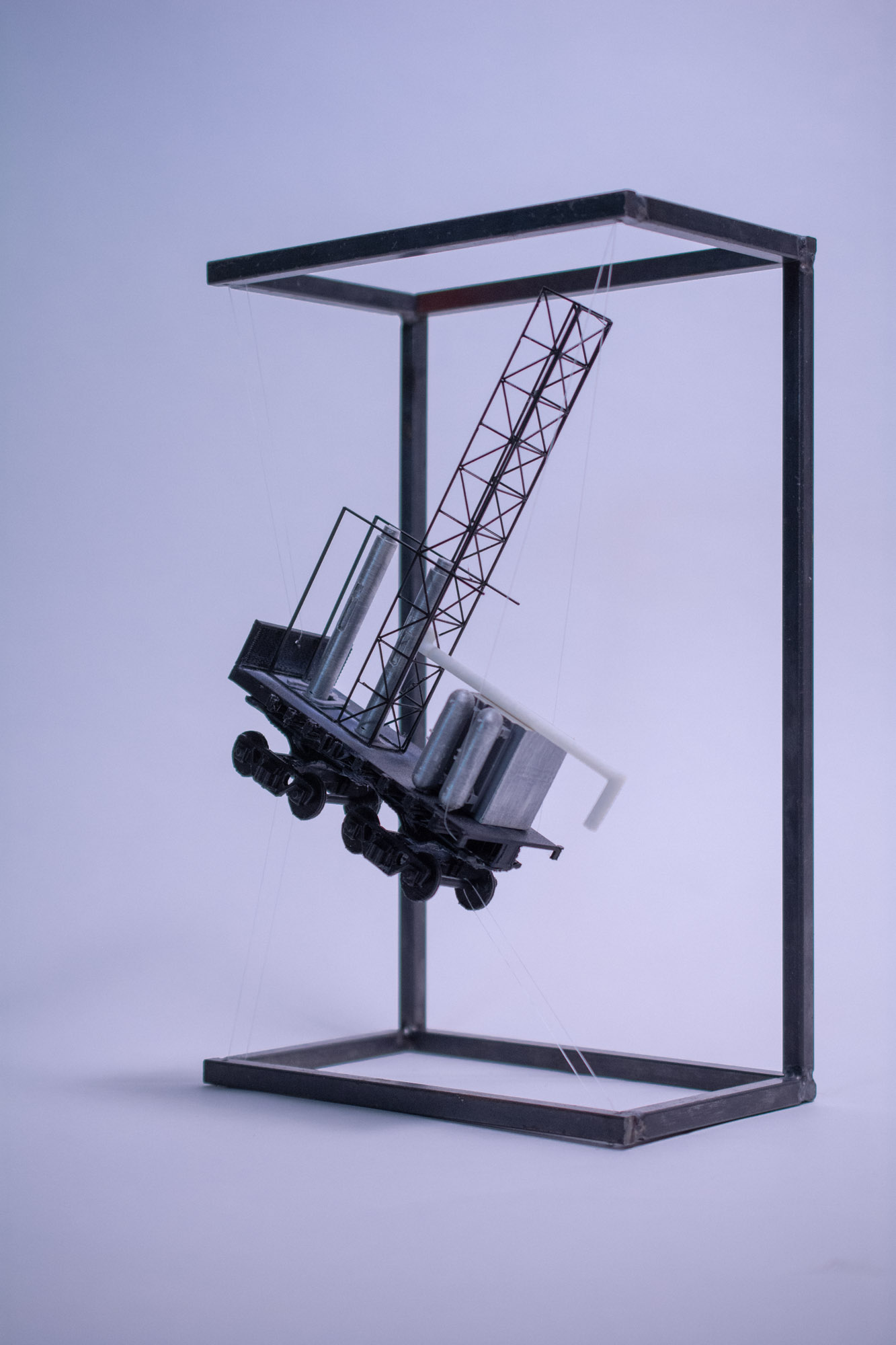
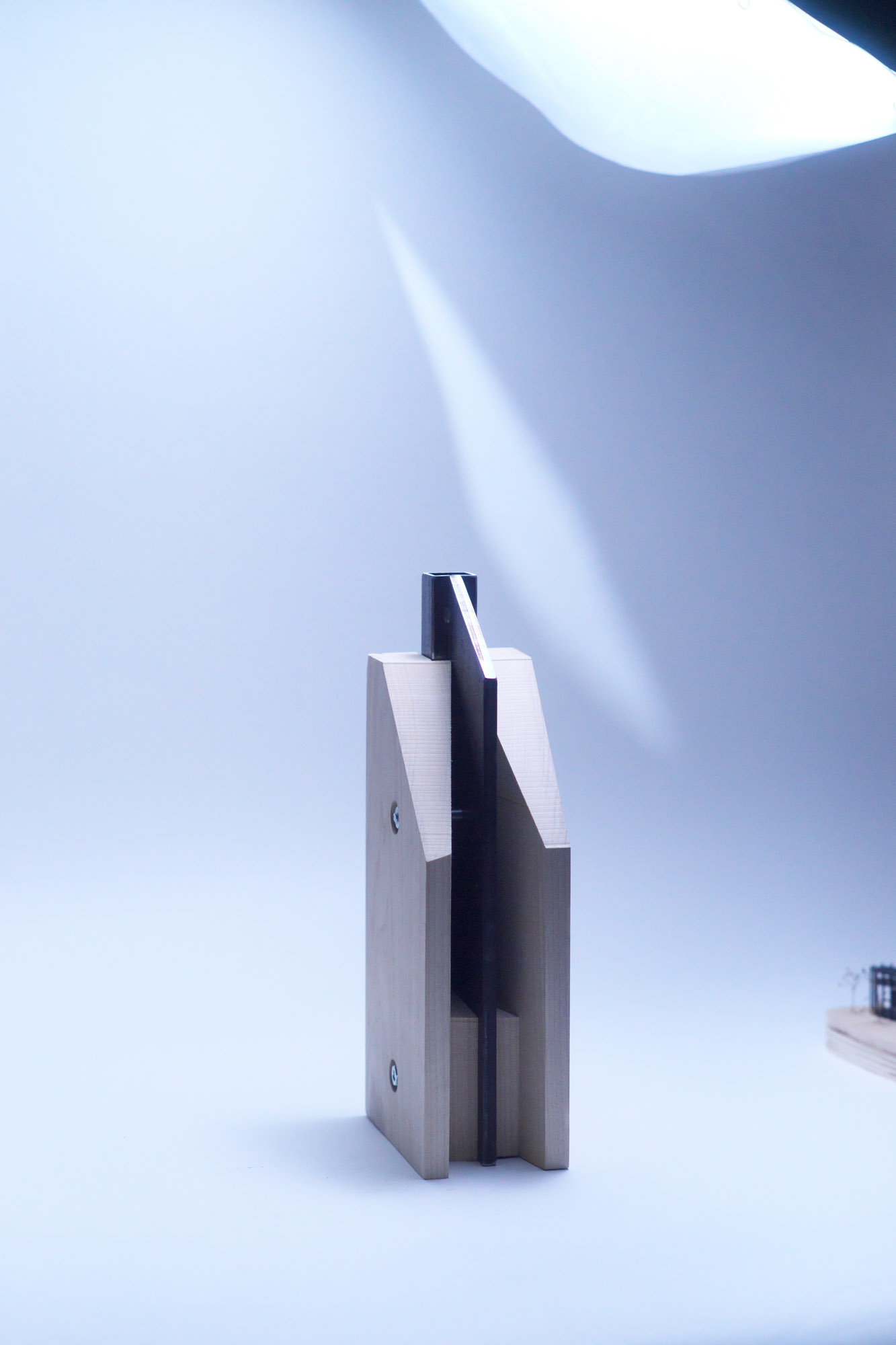
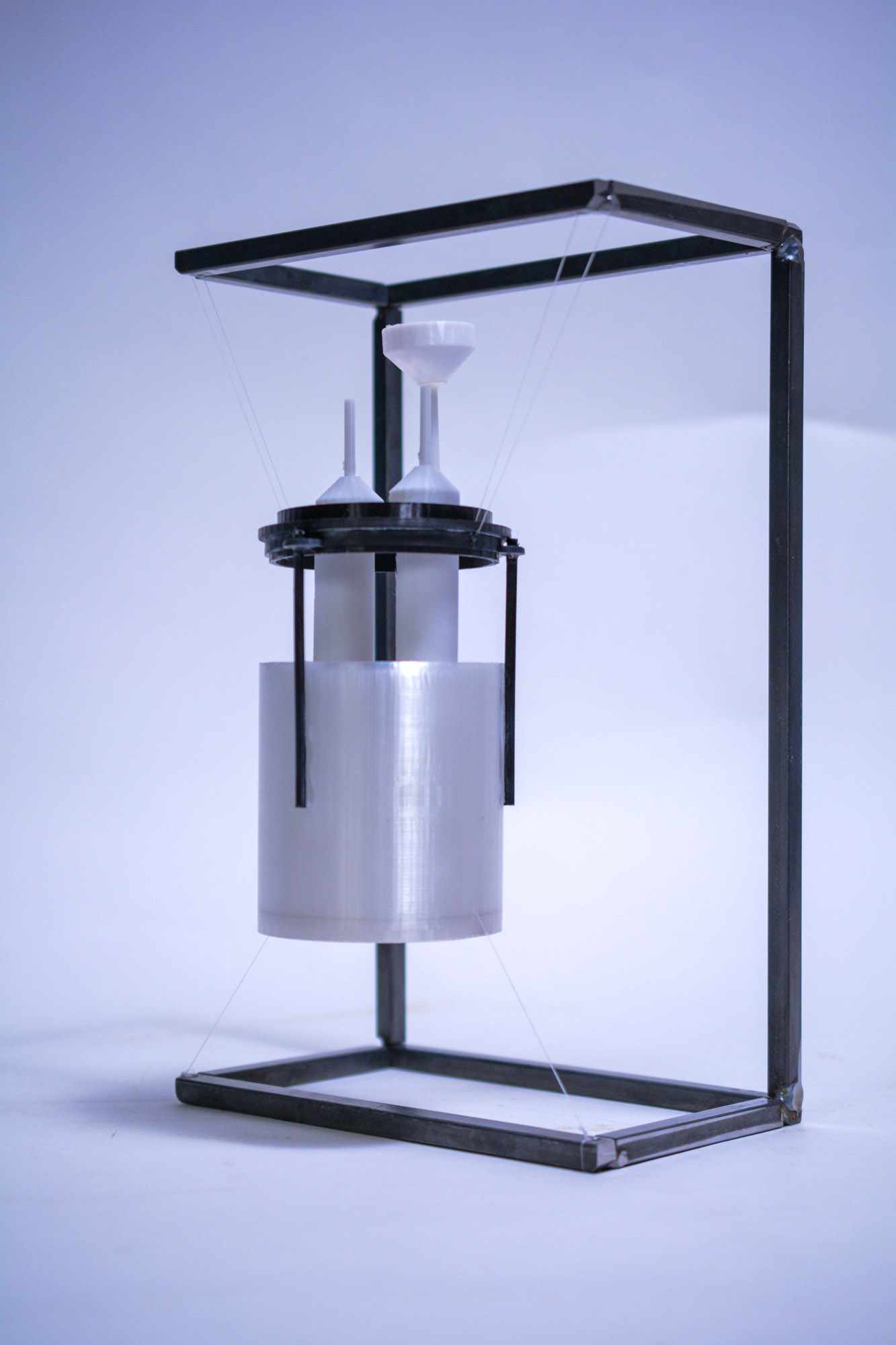
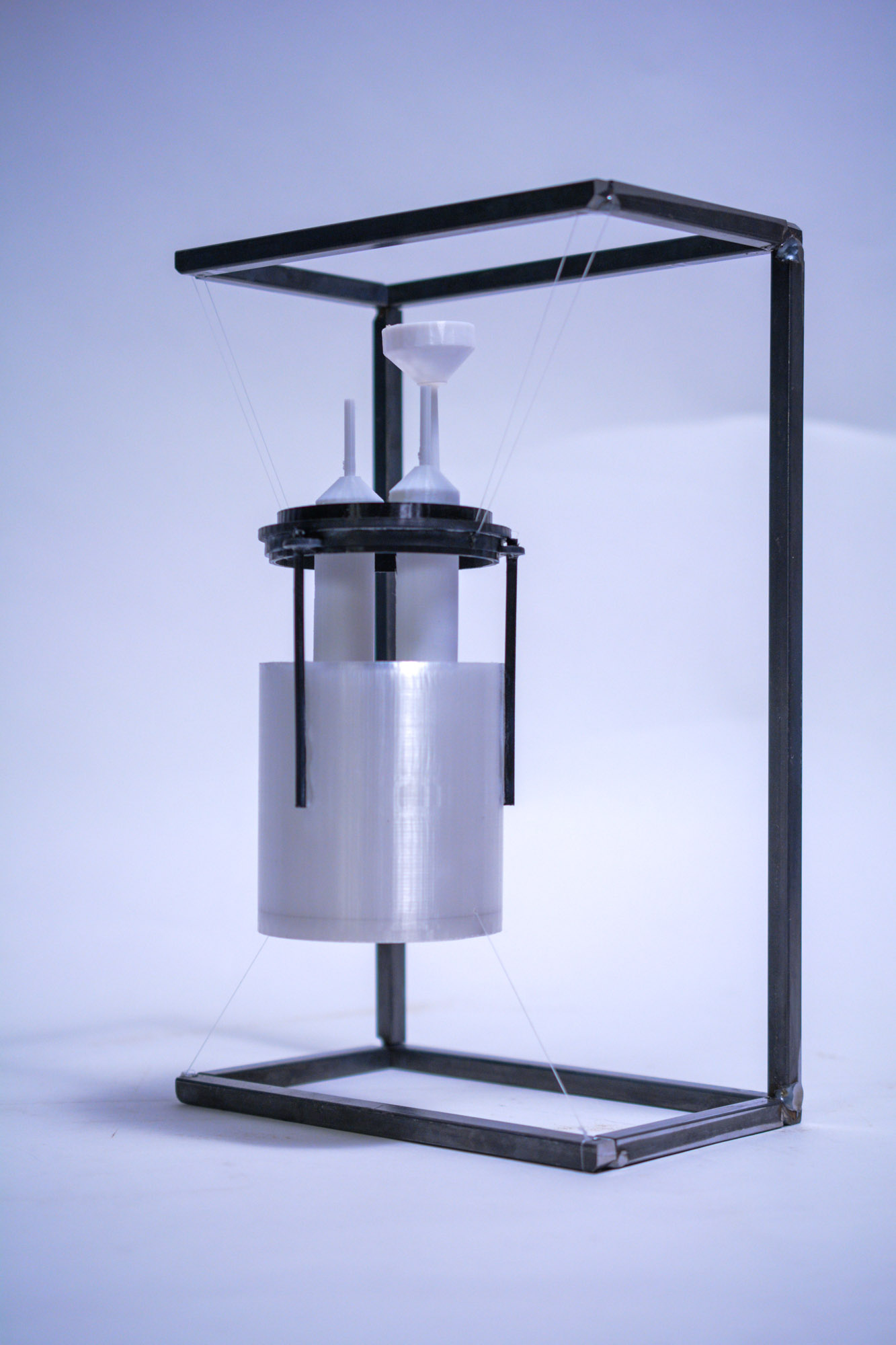
Fragment Model — Sealed Process Vessel · The World We Fear
Ontario Power Generation reviewed this body of work, named meaningful public engagement as a critical unresolved challenge in the federal Impact Assessment process — and backed SDR's public exhibition at 50% of ask.
The World We Fear
Art Gallery of Northumberland
Cobourg, ON — Opens Sept 7, 2026
01 — The Problem
Why an architectural consultancy belongs inside the nuclear sector's licensing problem.
Canada's nuclear supply chain is operationally excellent and publicly invisible. The industry pays for that invisibility constantly.
Every new nuclear development in Canada — beginning with the SMR program — must pass through the federal Impact Assessment process, where meaningful public engagement is a required component. The utilities leading that buildout have said, directly, that it is a gap they are struggling to close. Open houses produce attendance. Technical briefings produce compliance. Neither produces understanding.
The deeper problem is spatial. Facilities are optimized inward: sealed envelopes, no story, no civic expression. At Port Hope, most of the people who run the conversion facility don't live in the town that hosts it. At Kincardine, the station and the community function as separate worlds. The relationship between facility and town has never been fully designed — by anyone.
SDR closes that gap with the tools of architecture moved upstream: supply chain analysis, fragment drawing, physical modelling, and public exhibition — converting fear and indifference into serious questions, which is exactly what a defensible engagement record requires.
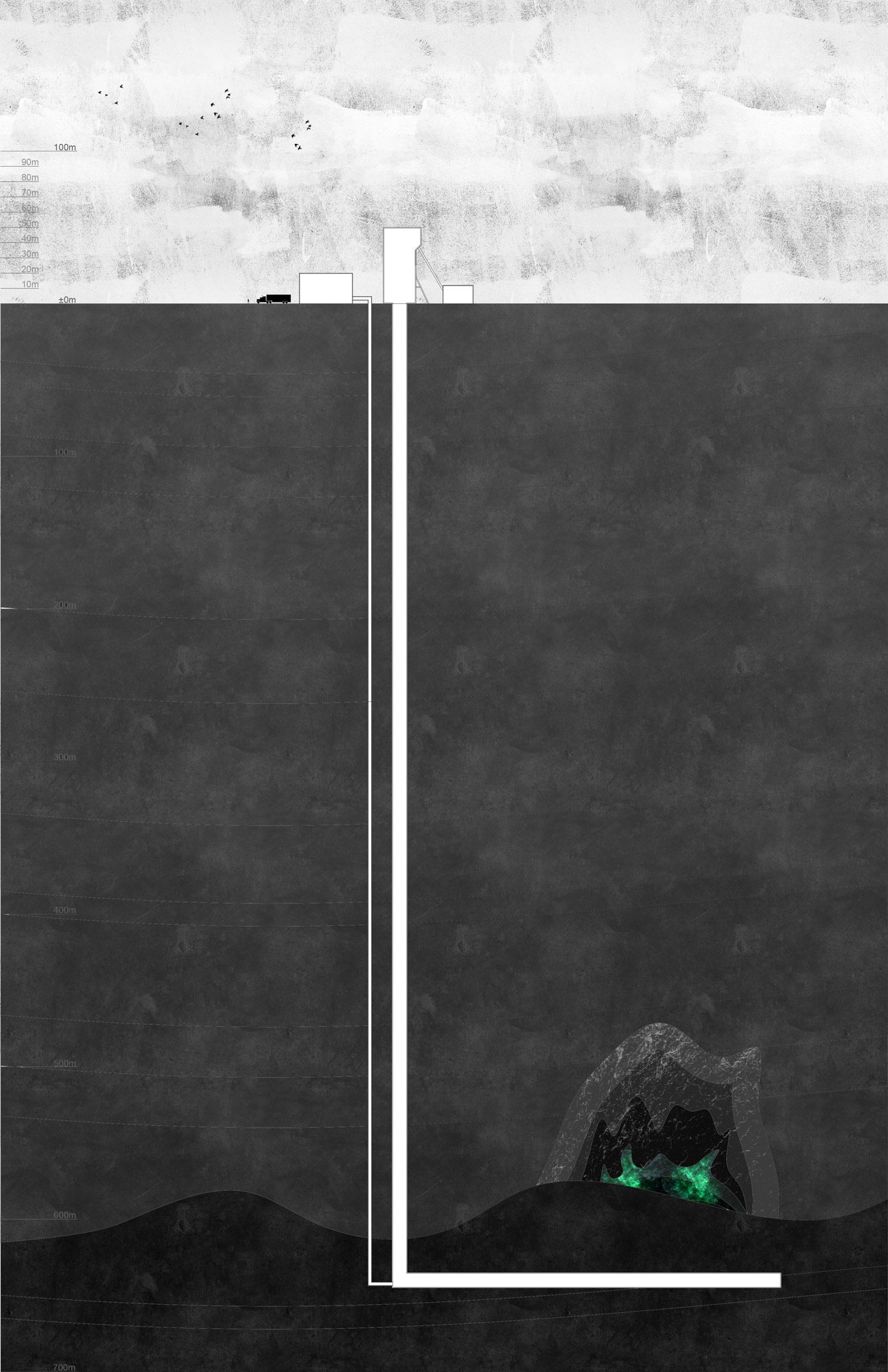
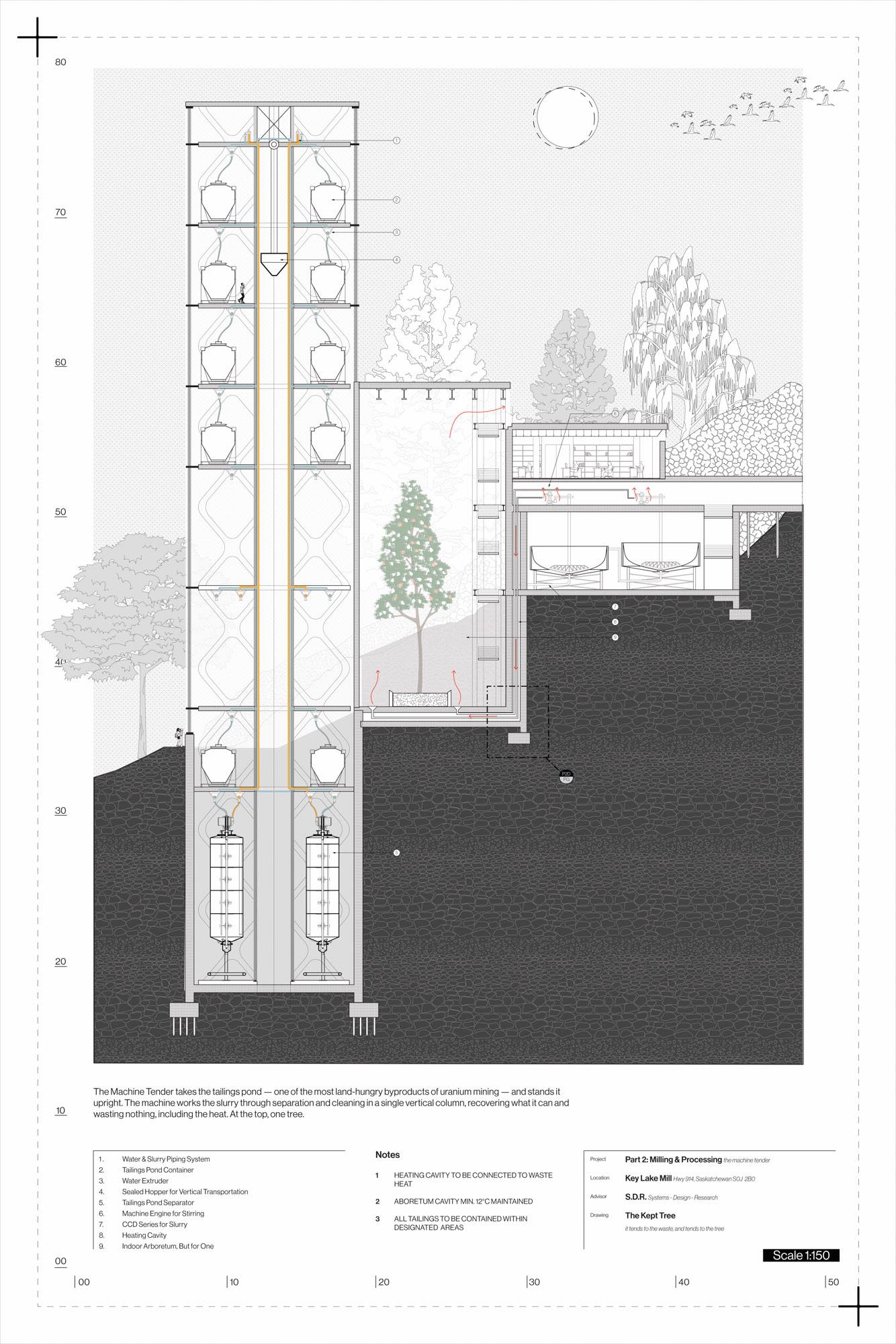
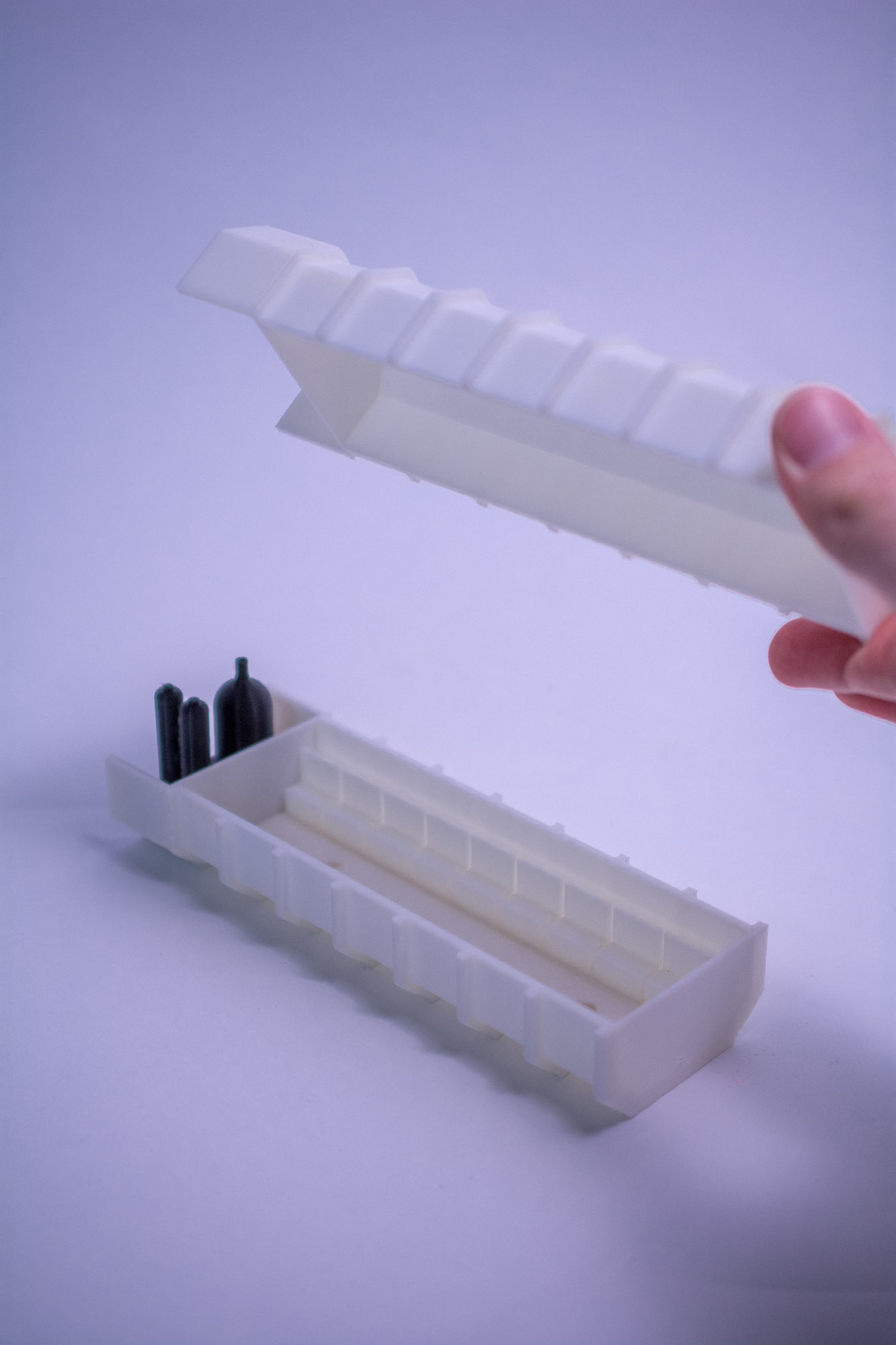
Fig — Ideogram Section. A spatial proposition testing what changes when nuclear infrastructure is treated as an integrated civic system rather than a sealed utility.
02 — Services
Four engagement types. Each tied to a problem the sector has already named.
Exhibitions, publications, and structured feedback mechanisms that make a facility or project legible to the people who live alongside it — designed and instrumented to generate a demonstrable record that real understanding was built, not just attendance counted.
Retained when: an Impact Assessment or CNSC process requires meaningful public engagement — and "meaningful" has to survive scrutiny.
A commissioned dossier on a specific facility, site, or supply chain stage: supply chain analysis, regulatory and community mapping, fragment documentation, and spatial propositions. The brief before the brief — the document that defines what the project should be before anyone prices it.
Retained when: a siting, expansion, or community-relations decision needs to be understood spatially before it hardens.
Large-format drawings, physical models, supply chain maps, and visualization series that translate operations into a language built for non-technical audiences. Owned by the client. Reusable across outreach, recruitment, and licensing contexts — civic assets, not one-time PR spends.
Retained when: a facility needs to be understood — by a community, a hearing, or a future workforce — and a brochure won't do it.
Early-stage spatial counsel on how a proposed facility meets its host community: program adjacencies, public edges, thresholds, viewing lines, civic presence. The questions that determine whether proximity is an asset or a liability — asked before the site plan answers them by default.
Retained when: SMR siting makes proximity possible, and someone has to design what proximity looks like.
One boundary, held deliberately: SDR is not a communications agency. Communications firms manage perception of decisions already made; SDR designs the spatial and civic reality that perception is of. The drawings ask real questions and tolerate uncomfortable answers — which is precisely why the engagement record they produce holds up.
03 — Track Record
A short record, built inside controlled facilities and tested on skeptical audiences.
Every line above survives a phone call to the organization named. That is the standard this practice holds its claims to.
04 — The Work
Eight parts. Each contains Systems, Design, and Research layers. Open a part to enter the file.
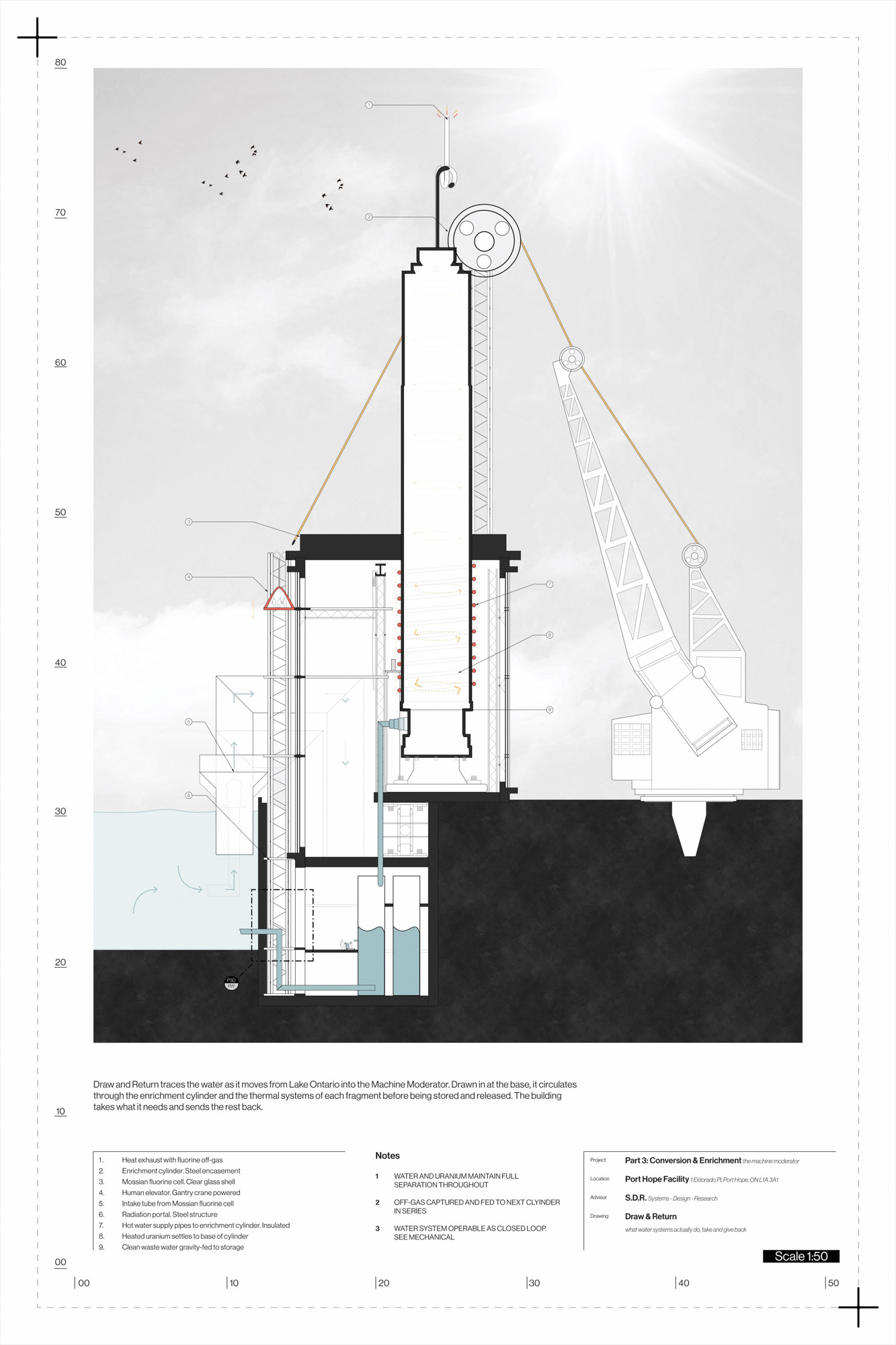
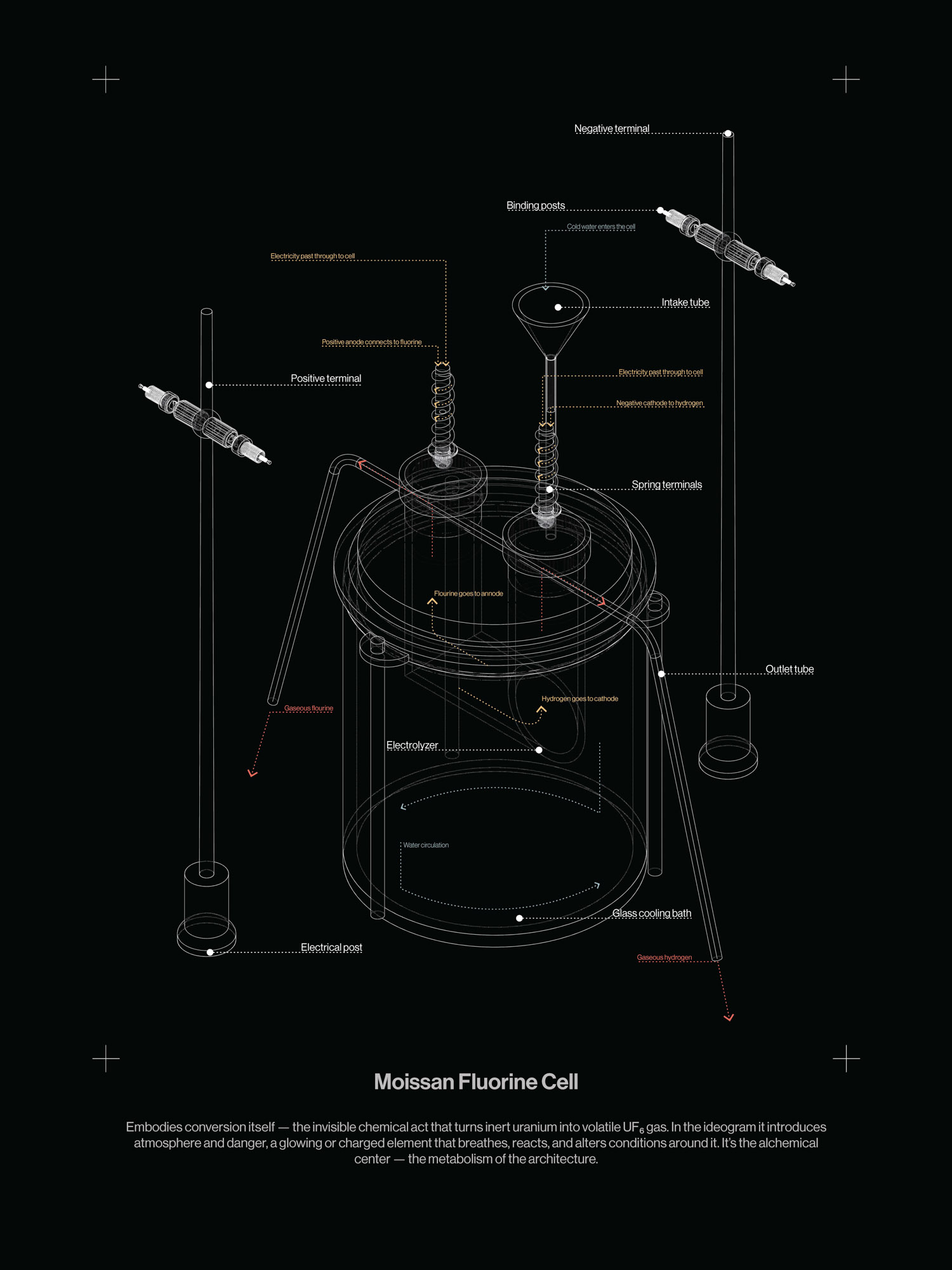
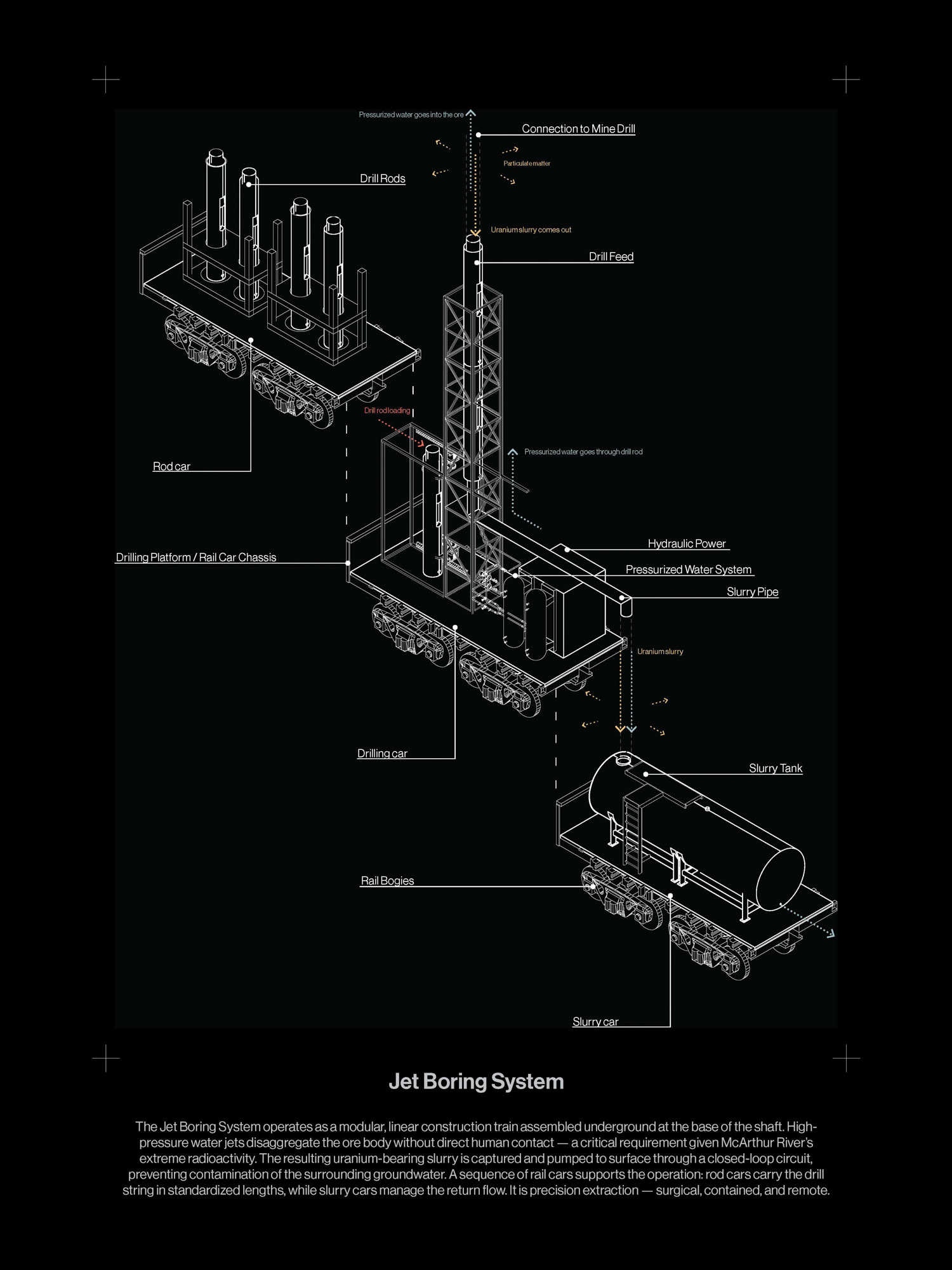
The World We Fear: Architecture & Nuclear Imagination is SDR's founding demonstration — a complete application of the method across Canada's nuclear fuel supply chain, from the Athabasca Basin to Port Hope. It is the R&D base of the practice: every drawing, model, and map below was built the way client work is built — from primary documents, site access, and supply chain analysis — and tested on real audiences, sympathetic and hostile alike.
Section Study
Fragment Drawing
Systems Analysis
Model Study
Parts 04–08 are in development. Part 07 — Spent Fuel Management — addresses the highest-stakes public engagement problem in Canadian nuclear.
05 — Method
A repeatable method, applied per supply chain stage. Select a step to read it.
Architecture's Upstream Position
Architecture usually arrives after the major decisions are made — site selected, program fixed, risk priced. SDR works at the earlier moment, where the structural analogue is not another design firm but the early advisory model of investment banking: develop embedded knowledge of one industry, identify value it cannot see from inside its own operations, and originate the brief rather than wait to receive one. The banker's product is the blue book. SDR's is its architectural equivalent — a rigorously argued case for a spatial relationship that does not yet exist.
Process
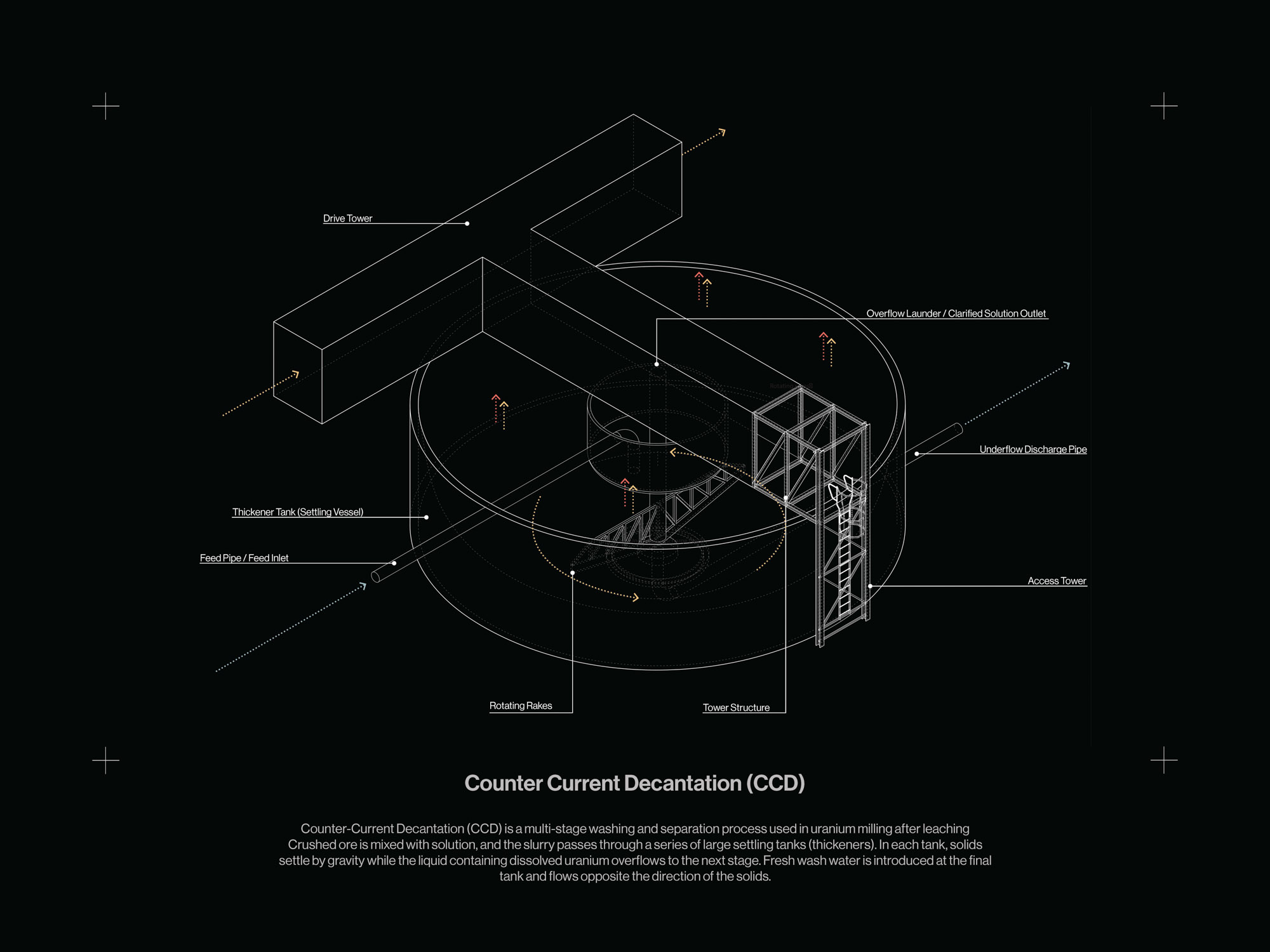
Fig — Counter Current Decantation. The fragment drawing is not illustrative; it is analytical. It argues for the spatial intelligence embedded in the machine.
06 — Exhibition
SDR's first delivered public engagement — sponsored by Ontario Power Generation.
Architecture & Nuclear Imagination opens at the Art Gallery of Northumberland this September — the first time this body of work meets a public with no obligation to engage with it.
Large-format fragment drawings, physical models, supply chain maps, and ideograms — including work revealed for the first time on opening day. The exhibition is built as engagement infrastructure, not display: structured feedback mechanisms run throughout, so what visitors understand, question, and push back on becomes a measurable record.
Cobourg is not a neutral venue. It is where the people who run the Port Hope conversion facility actually live — host-community geography, chosen deliberately.
Fig — Ideogram in Section. What a publicly-engaged version of this infrastructure could look like.
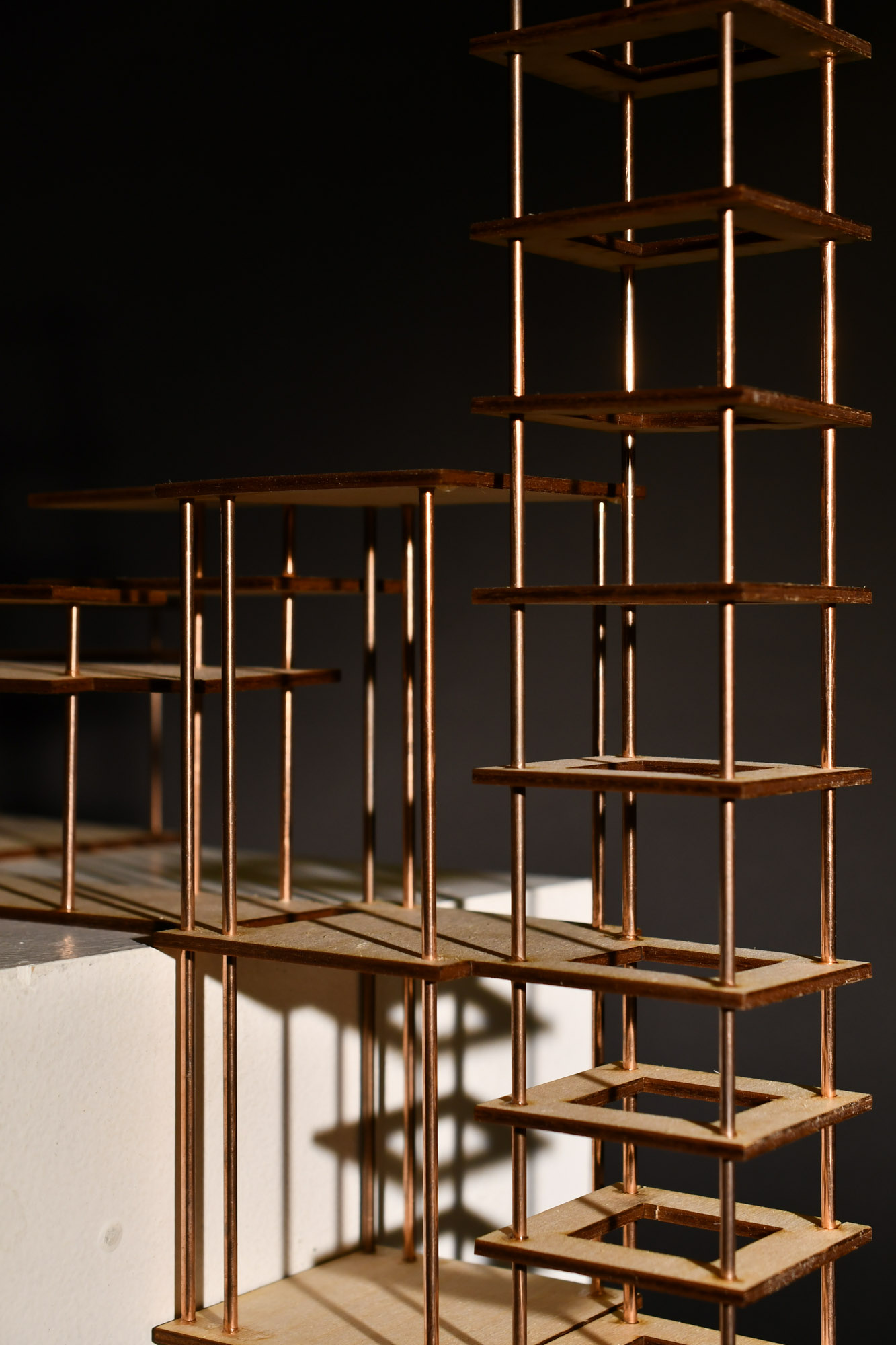
Ideogram study model
Ideogram study model II
Fragment model — at hand scale
Fragment model — framed for exhibition
07 — Principal
Why the practice exists, in the founder's words.
I founded SDR because nuclear is among the cleanest, safest, and steadiest energy we know how to produce — and energy is one of the things that actually makes a country.
Reliable, domestic energy is a foundation a nation is built on: it holds prices steady, supports work across an entire supply chain, and gives a country room to act on its own terms. Nuclear is one of Canada's last great productive assets, and a real chance to lead. The technical case is already strong. What's missing is a public that can live alongside it with trust rather than distance.
That gap is an architectural problem, and it's the one SDR exists to close — using design to integrate nuclear into communities so it's understood, not hidden, and to help build Canada back as an energy leader its people are glad to live with. This practice is the start of that work.
08 — Contact
Engagement enquiries, exhibition visits, or a question about the work — it comes straight to the principal.
If you're weighing an engagement, the fastest start is a short note describing the facility, the process stage, and the decision in front of you. A scoped response follows within the week.
Leave a message
No account needed — just hit send.